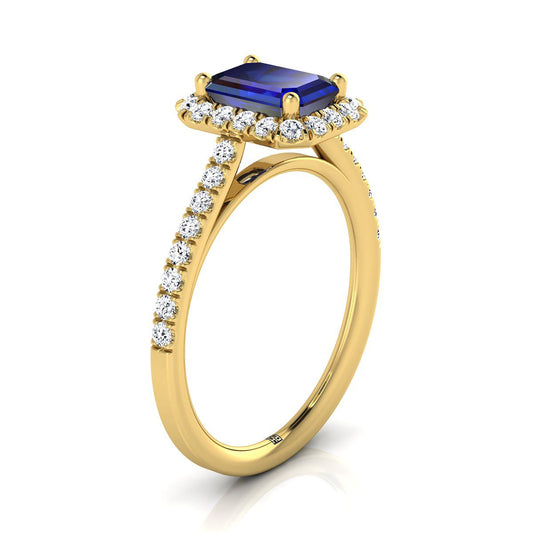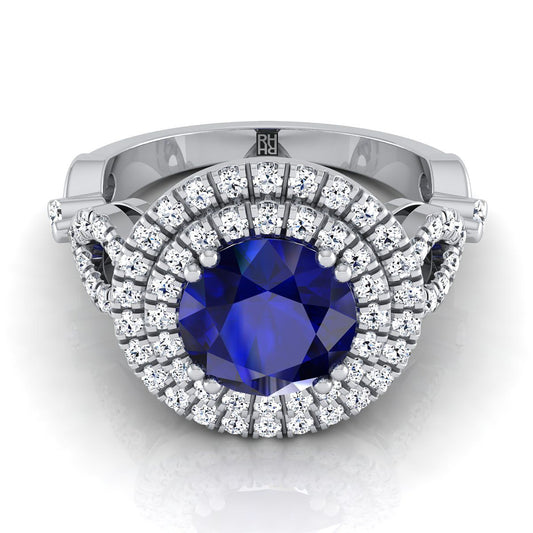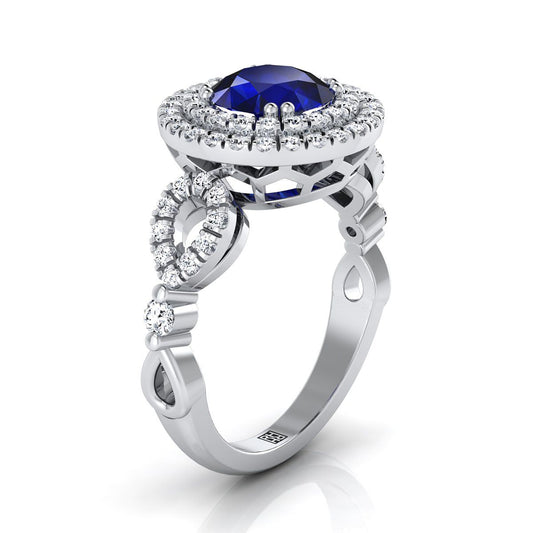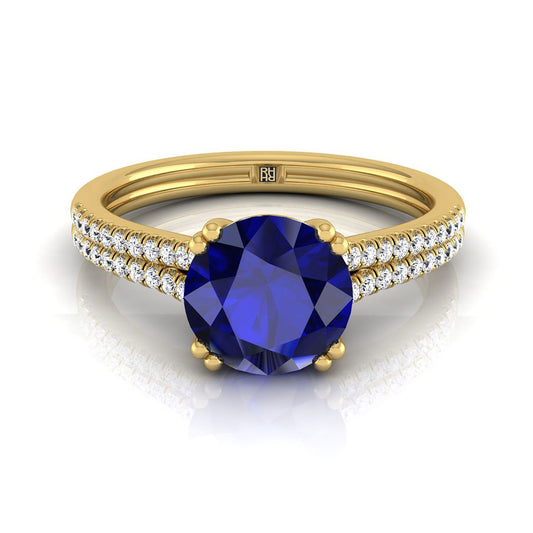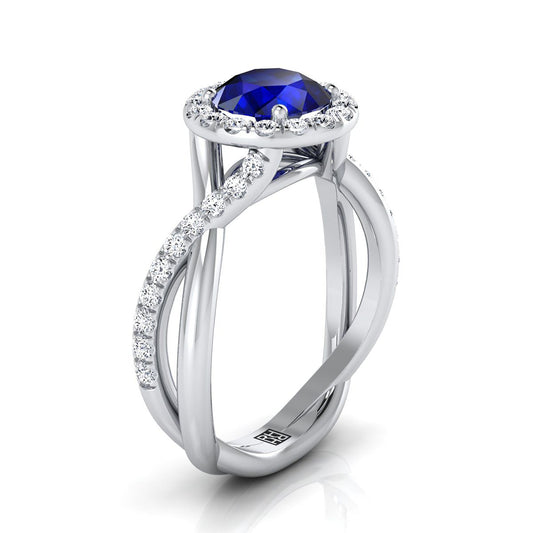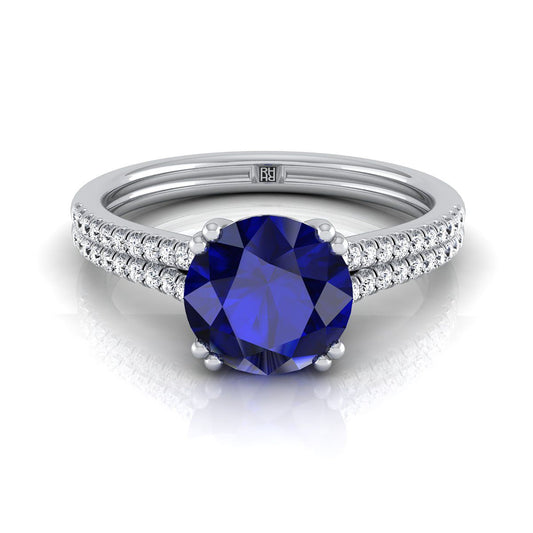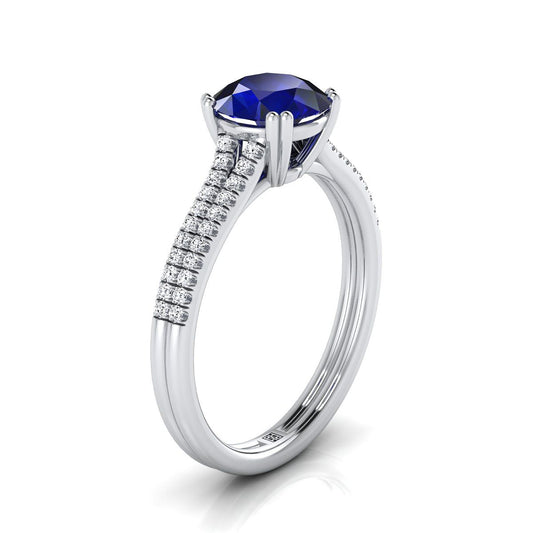
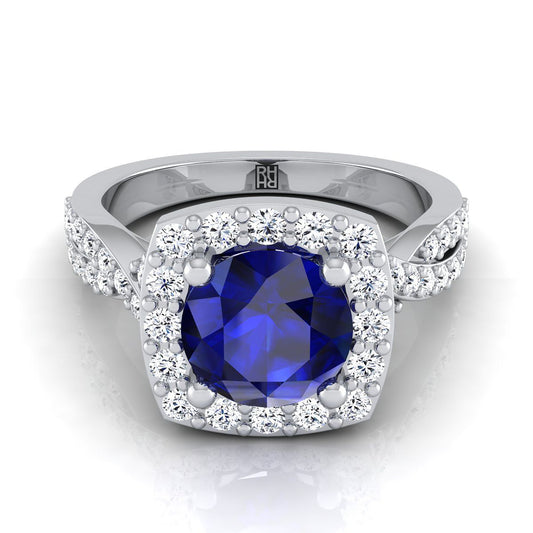
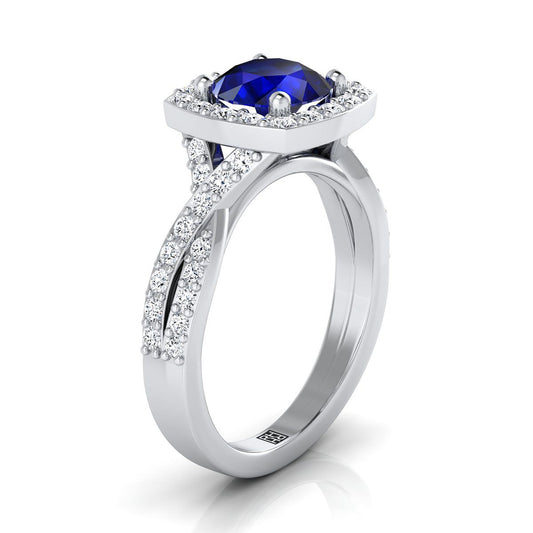
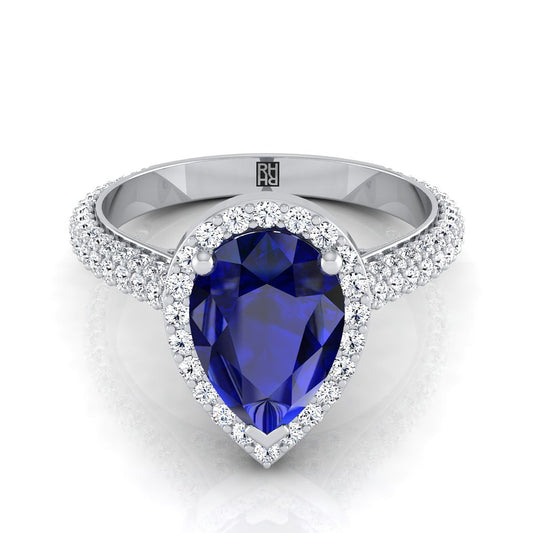
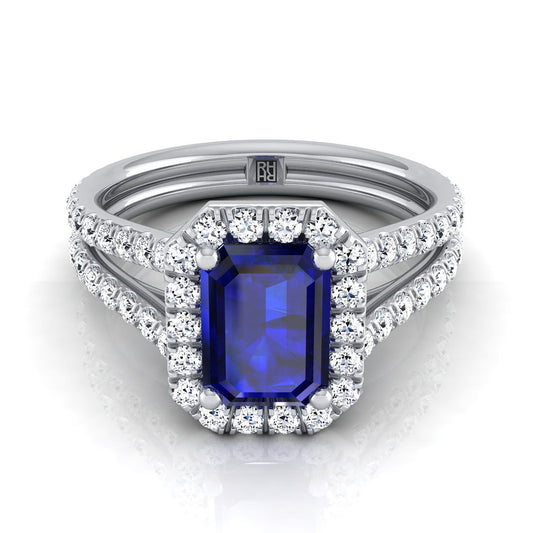
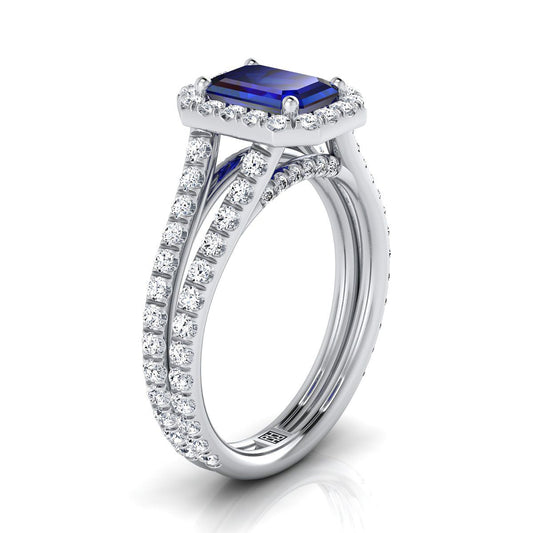
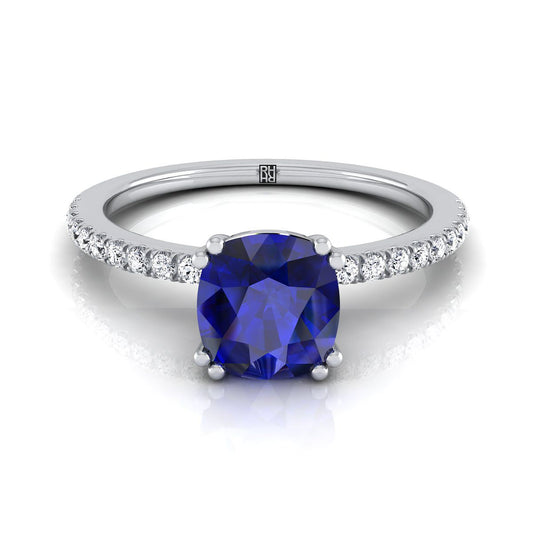
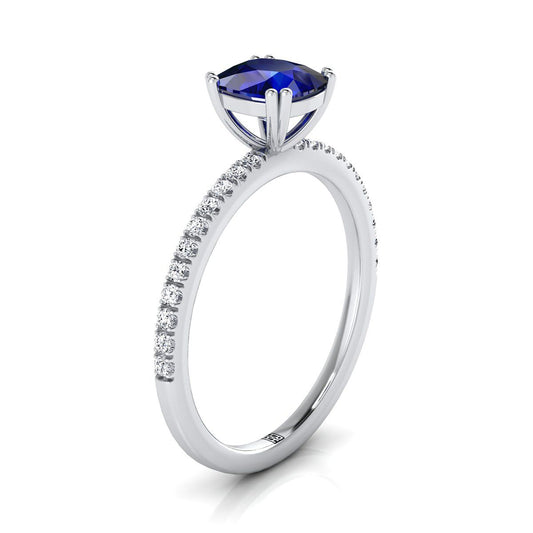
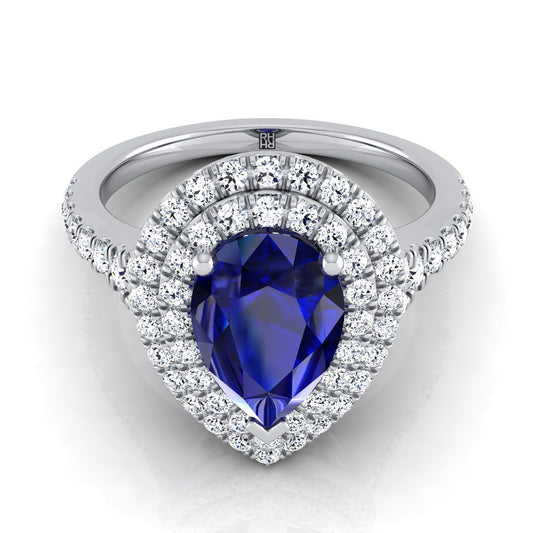
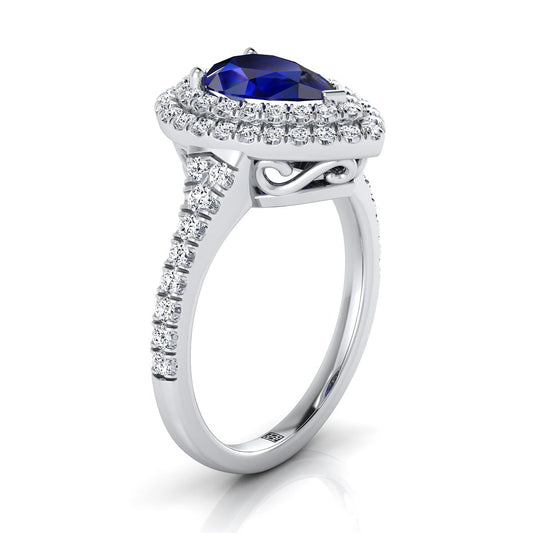
Collection: Sapphire Rings

The Velvet Blue of Nobility: Sapphire Rings

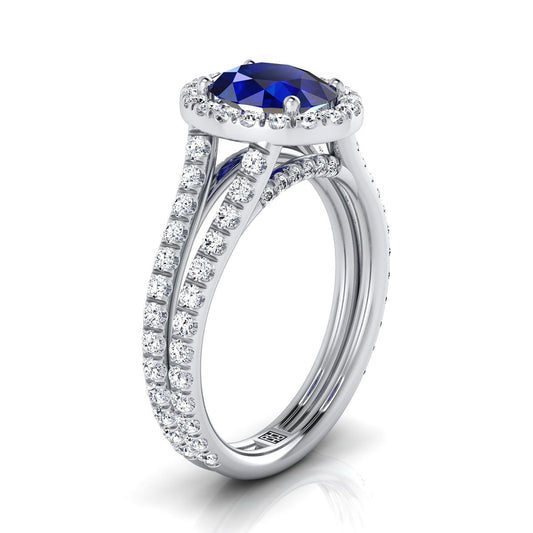
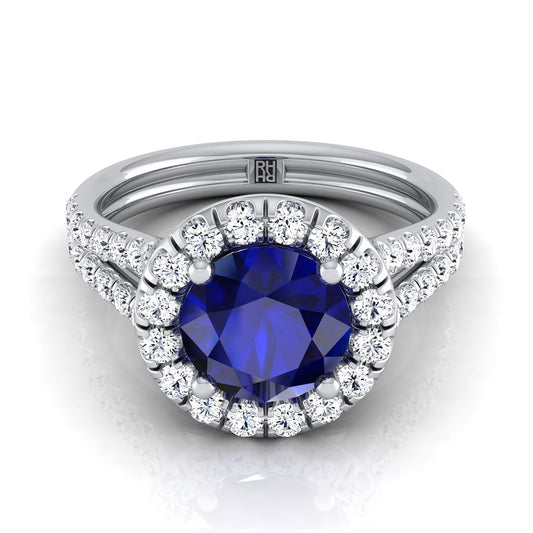
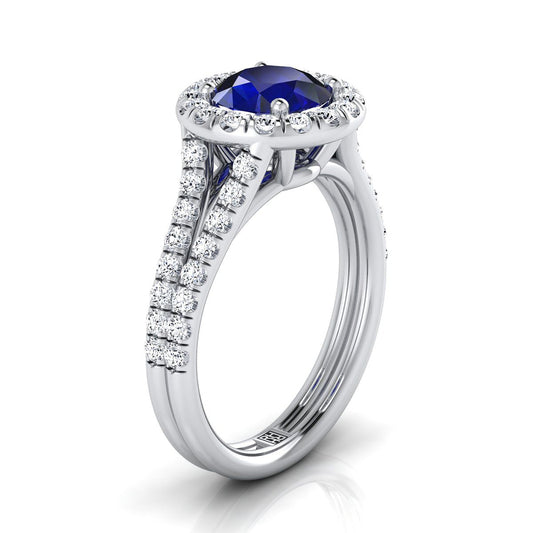
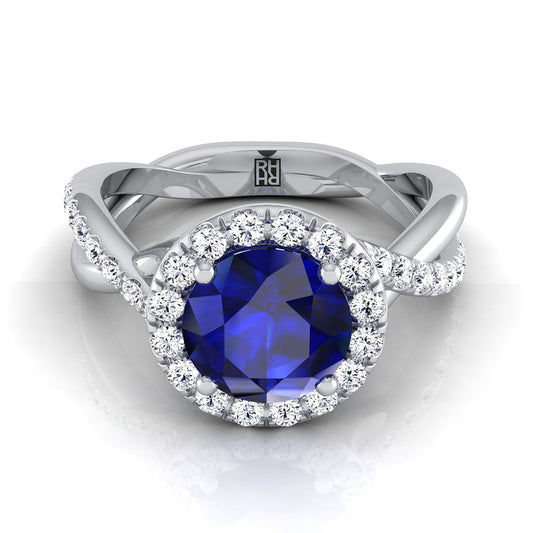
Sapphire belongs to the corundum mineral family, sharing its DNA with the ruby. What distinguishes the Sapphire is its trace elements of iron and titanium, which bestow upon it the legendary blue hue. From the deep, oceanic midnight blue to the bright, vivid azure often found in Ceylon sapphires, this gemstone offers a depth of color that is unmatched. Beyond its beauty, Sapphire is renowned for its exceptional durability. It is impervious to scratches from anything other than a diamond, ensuring that its polished facets remain crisp and brilliant even after decades of daily wear.

At RockHer, we celebrate this strength by pairing it with precision engineering. Our "cast-to-order" process is vital for Sapphires, which are often cut with deeper pavilions to maximize color saturation. By creating a custom seat for the stone, we ensure optimal light return and security, crafting a ring that is as structurally sound as it is visually breathtaking.


Defining Your Sapphire Legacy

The timeless blue of a Sapphire serves as a perfect anchor for a variety of iconic jewelry styles.

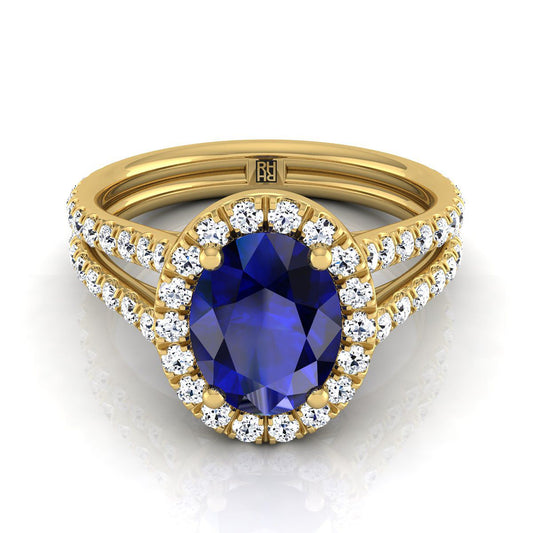
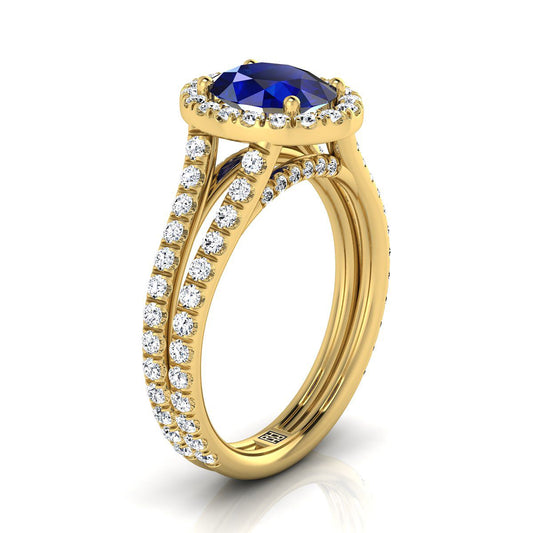
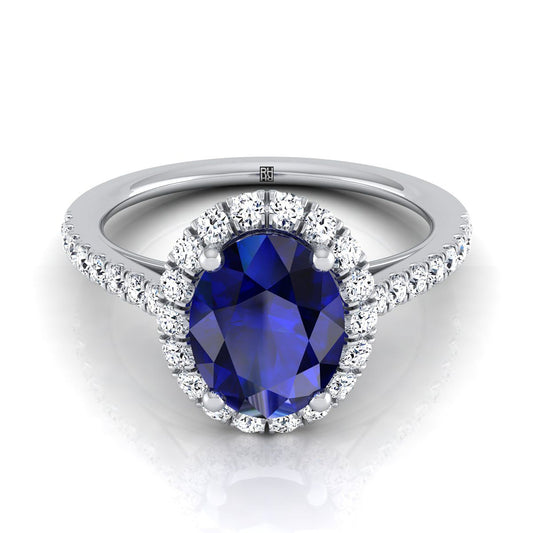
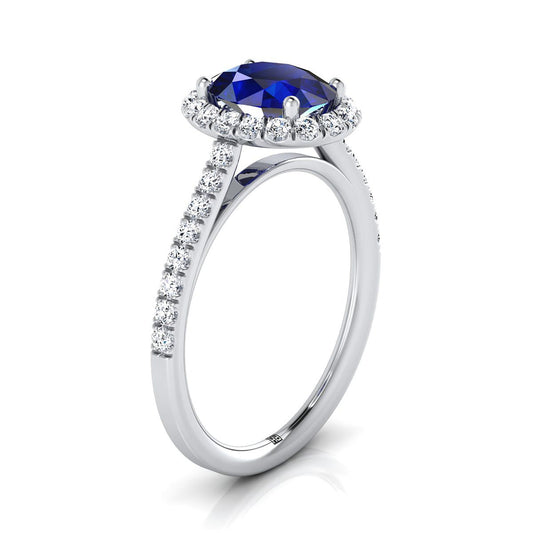
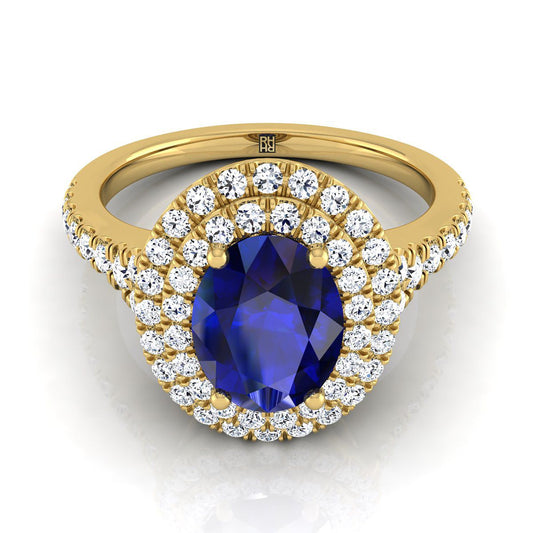
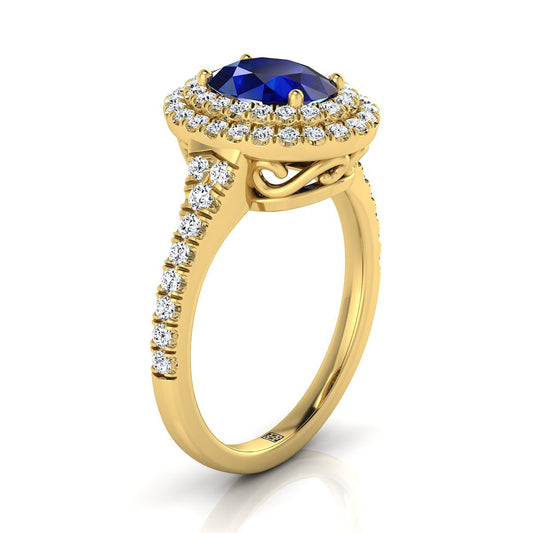
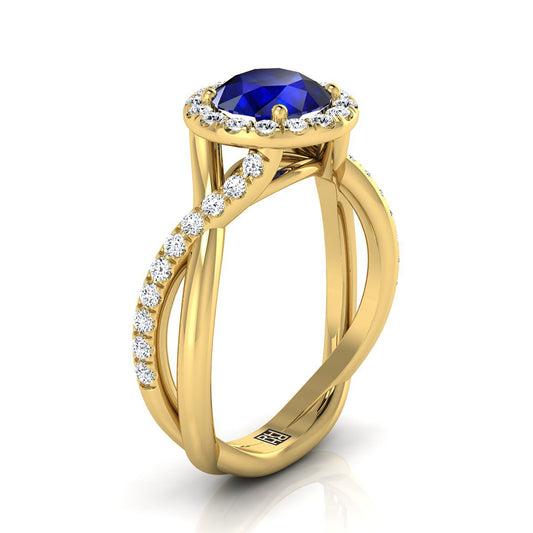
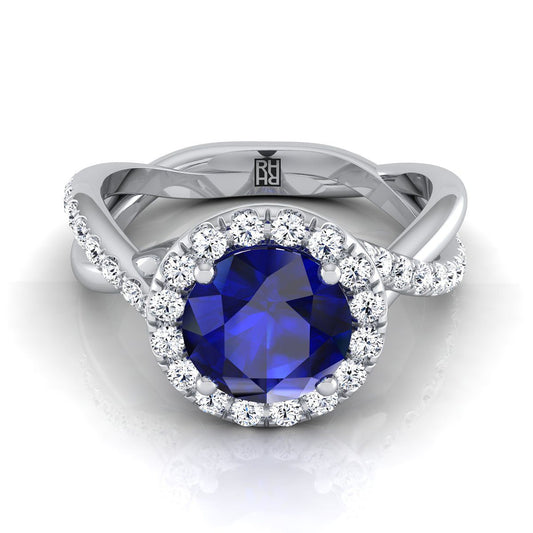
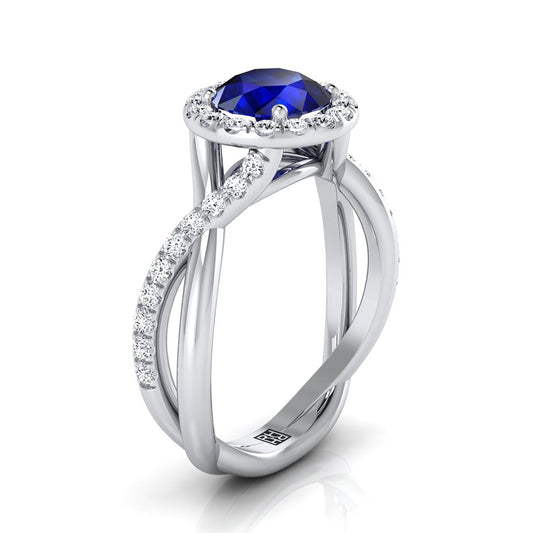
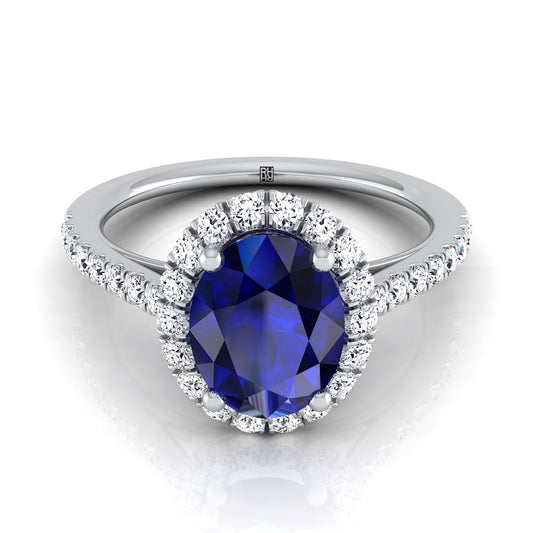
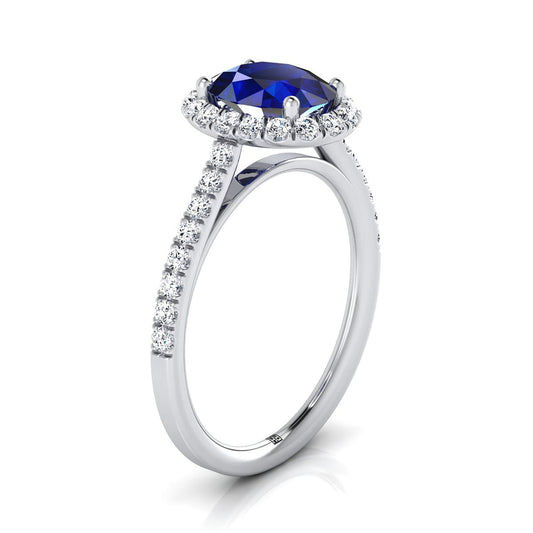
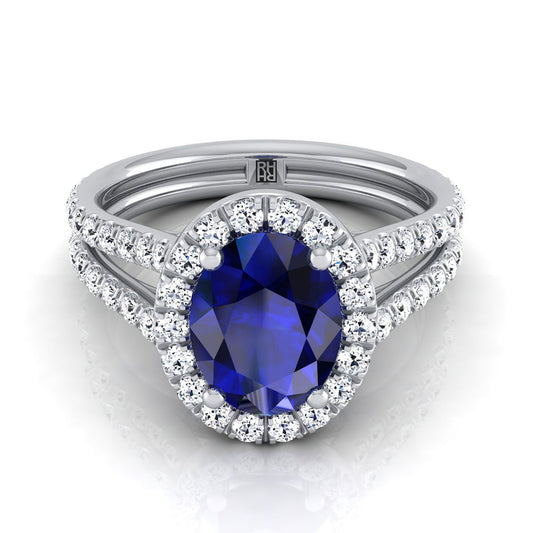
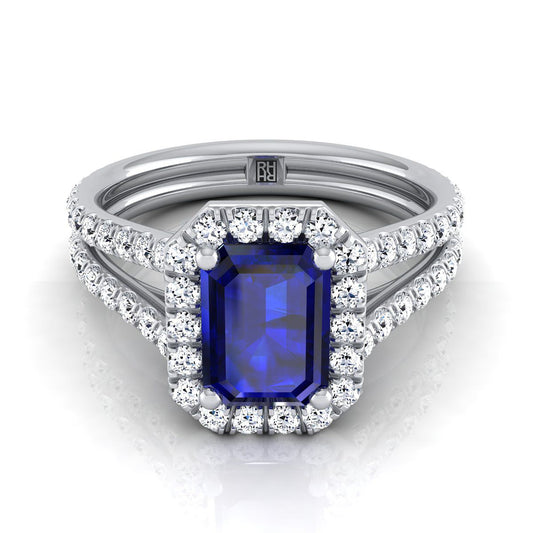
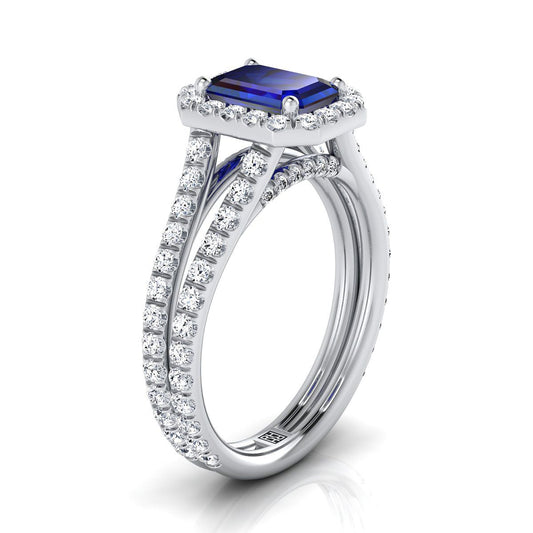
  • The Royal Halo: Inspired by the world's most famous engagement ring, an Oval Sapphire surrounded by a halo of brilliant round diamonds is the epitome of class. The white diamonds illuminate the blue center, creating a stark, beautiful contrast that feels instantly regal.
  • Three-Stone Symbolism: Flanking a Sapphire with two diamonds represents the past, present, and future of a relationship. The diamonds taper the design towards the band, allowing the Sapphire to take center stage as the symbol of the "present" and eternal commitment.
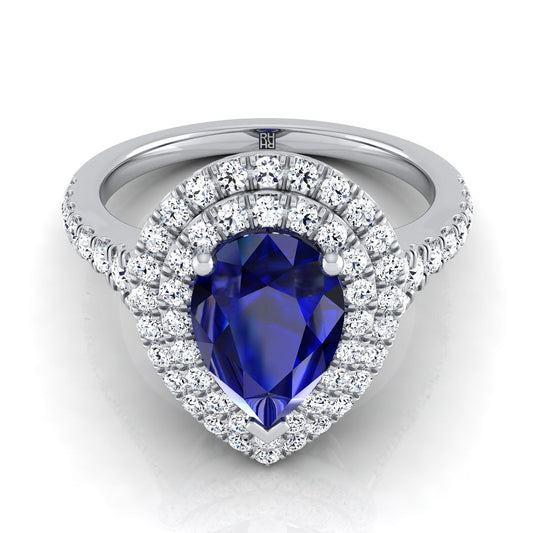
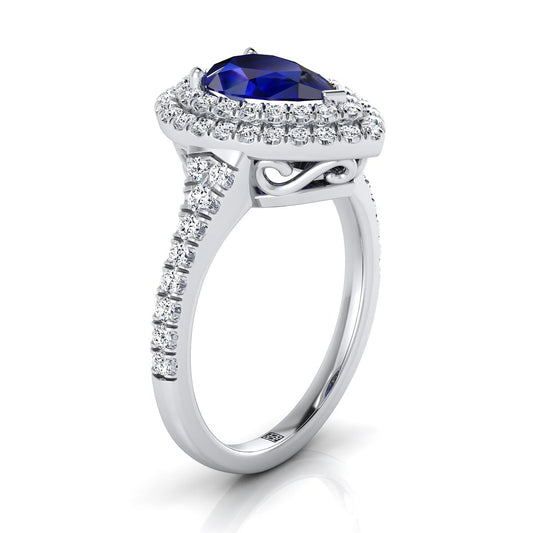
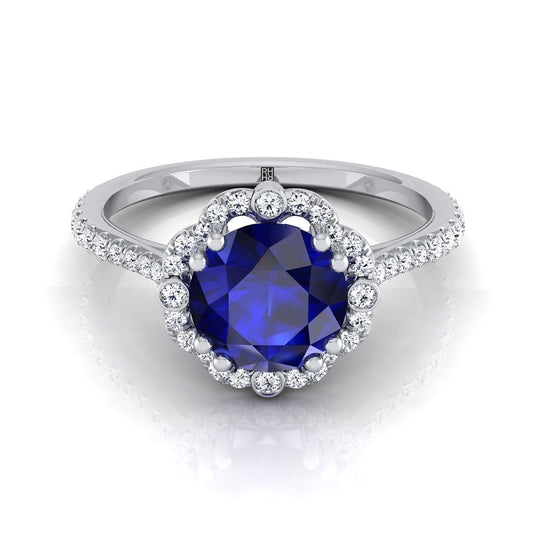
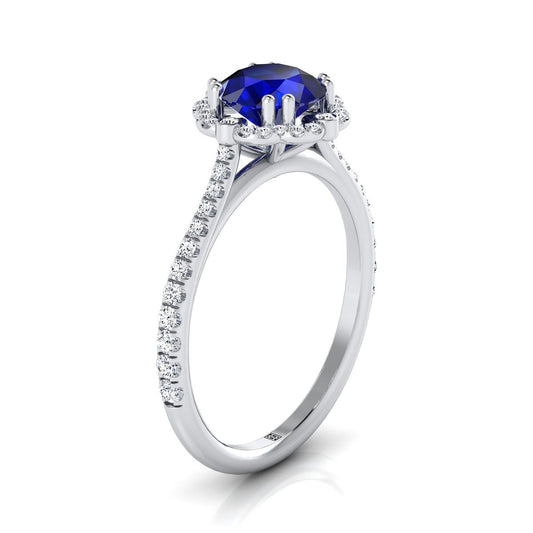
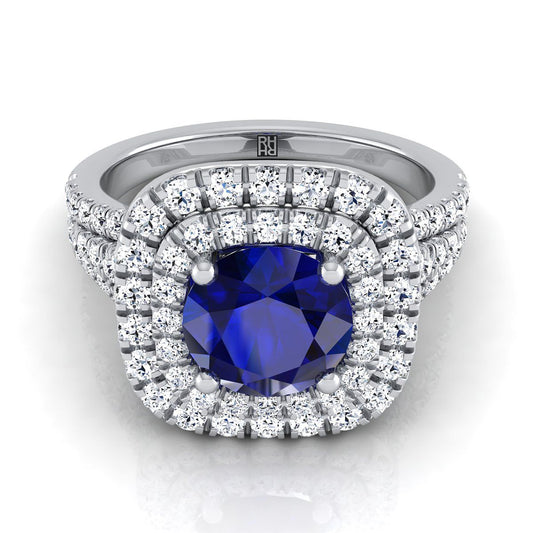
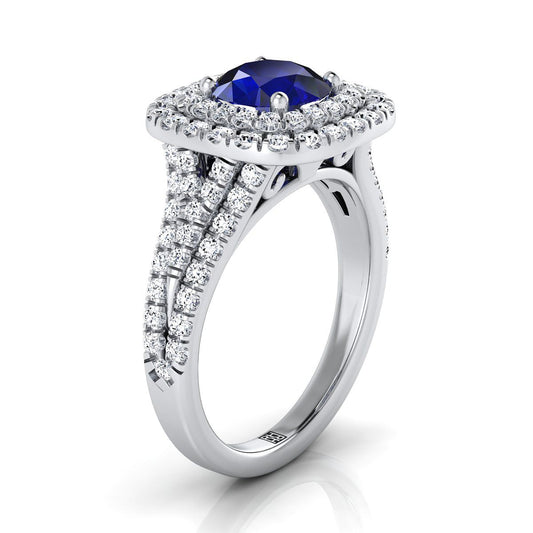
  • Cool Tones: Platinum and White Gold are the most popular metal choices for Sapphire. The cool white metal enhances the blue tones, creating a seamless, icy aesthetic that is modern and clean.
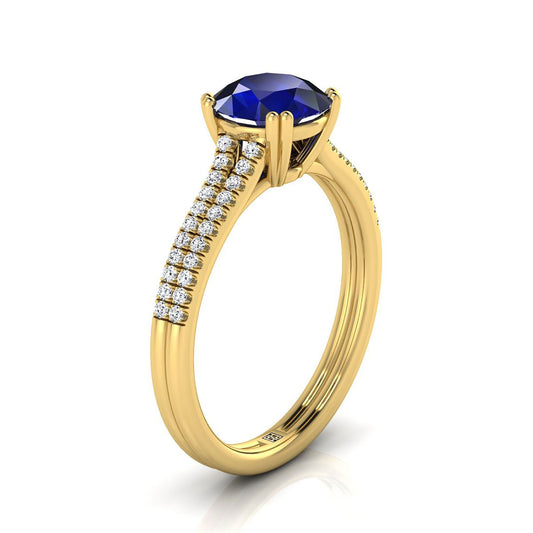
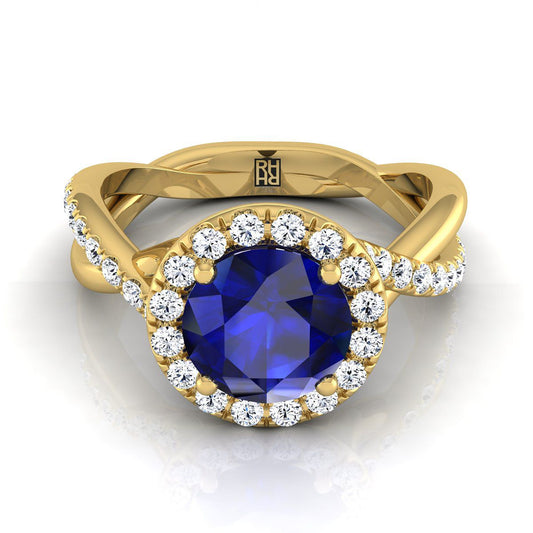
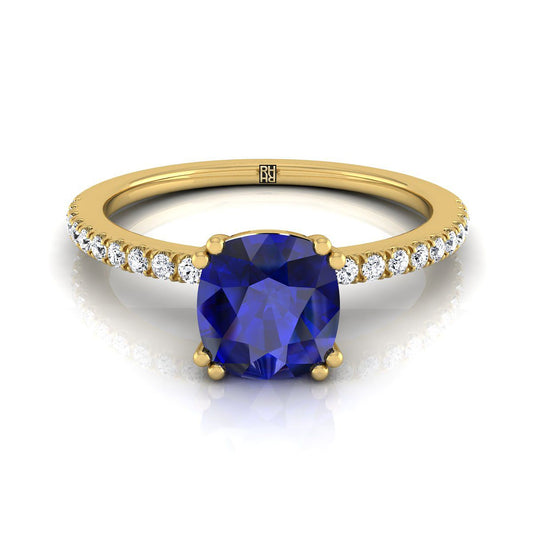
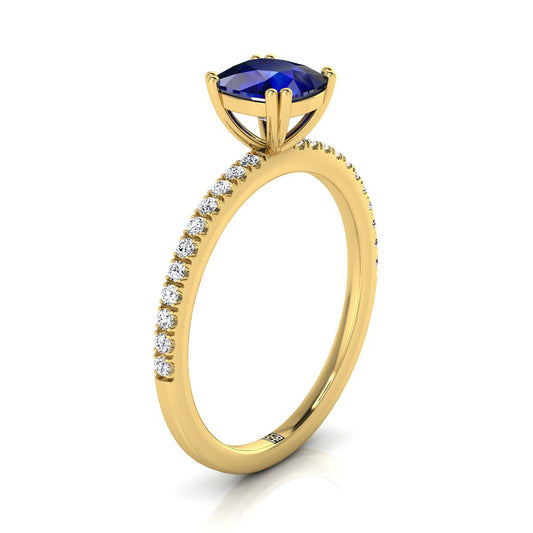
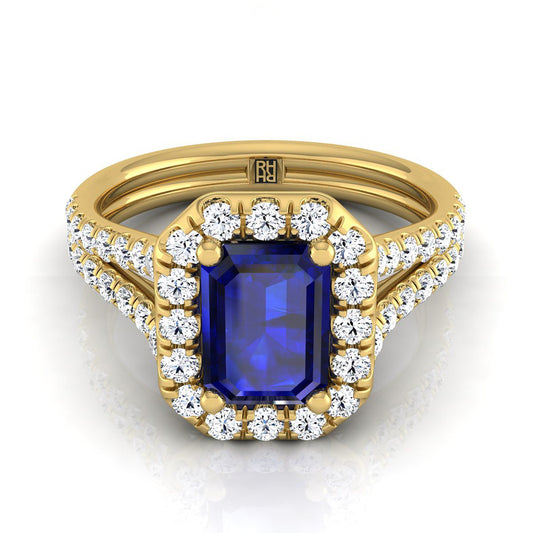
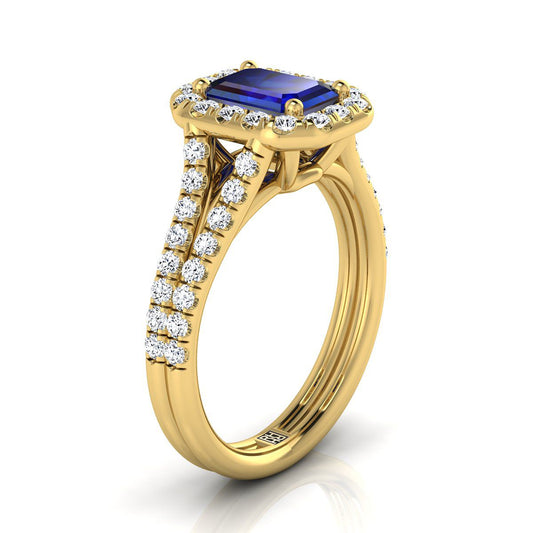
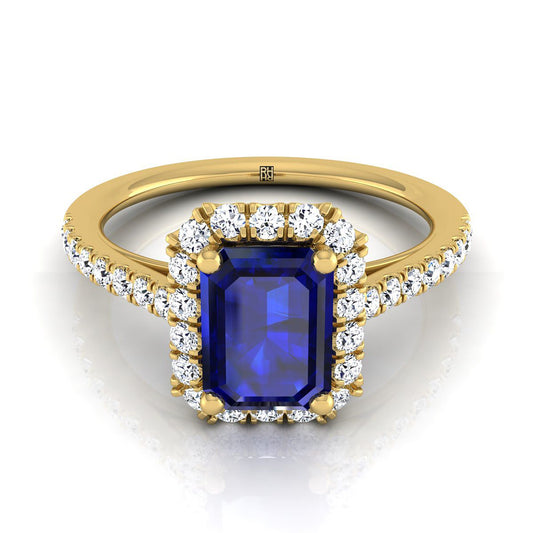
  • Vintage Warmth: For a nod to Art Deco or Victorian styles, setting a Sapphire in Yellow Gold creates a rich, warm contrast. The gold intensifies the blue, giving the ring a soulful, antique character.

Ethical Sourcing & Masterful Creation

True luxury is responsible. At RockHer, we are committed to an ethical supply chain. We source our Sapphires from reputable origins, ensuring that they are mined with respect for human rights and the environment. We carefully select each stone for its color uniformity and clarity, rejecting those that do not meet our rigorous standards.

This dedication to integrity extends to our Los Angeles workshop. All RockHer Sapphire Rings are crafted using eco-conscious, refined precious metals—recycled gold and platinum. By choosing a RockHer ring, you are not only investing in a piece of fine jewelry but also supporting sustainable manufacturing practices that honor the earth.
Frequently Asked Questions About Sapphire Rings

Is a Sapphire durable enough for an engagement ring?
Yes, absolutely. Sapphire ranks a 9 on the Mohs scale of mineral hardness, making it the second hardest natural gemstone after diamond (10). It is incredibly tough and resistant to scratching, making it the premier choice for colored gemstone engagement rings intended for daily, lifelong wear.
What is the most desirable color for a Sapphire?
While personal preference plays a huge role, the most prized sapphires typically exhibit a vivid, velvety blue often described as "Cornflower Blue" or "Royal Blue." These stones have a strong saturation without being too dark or "inky." However, lighter blues and unique teals are also gaining popularity for their unique character.
Are Sapphires heat-treated?
Yes, the vast majority of sapphires on the market are heat-treated to improve their color and clarity. This is a standard, permanent, and accepted practice in the jewelry industry that mimics natural geological processes. Unheated sapphires are exceptionally rare and command a significant price premium.
What is the meaning behind a Sapphire ring?
Sapphire is the birthstone for September and the traditional gem for the 5th and 45th wedding anniversaries. Historically, it symbolizes truth, sincerity, and faithfulness. In the Middle Ages, it was believed to protect the wearer from envy and harm, and it has long been associated with divine favor and royalty.