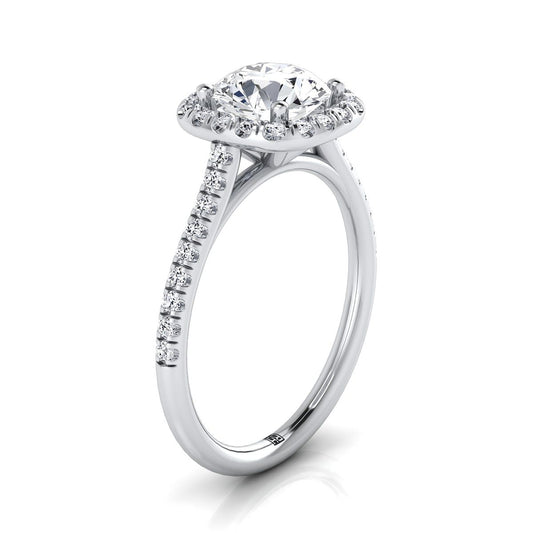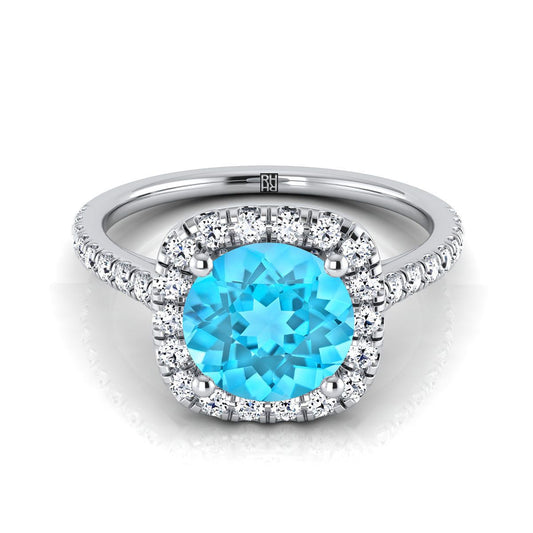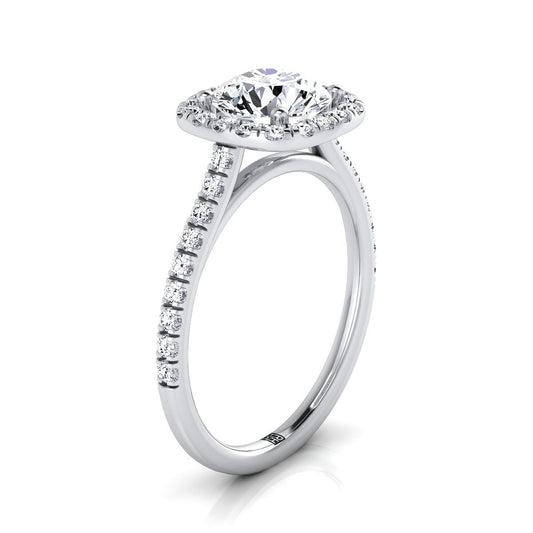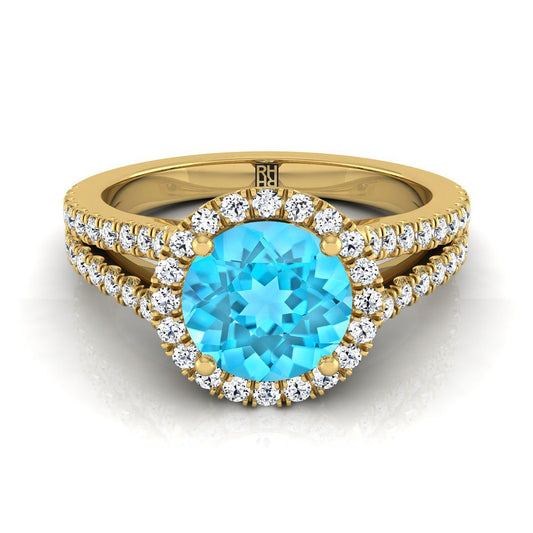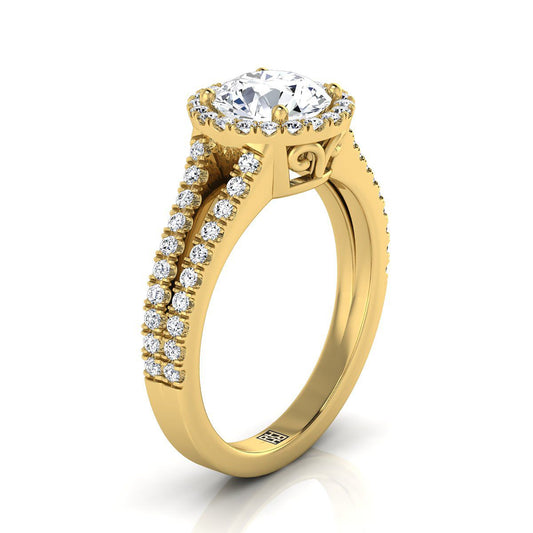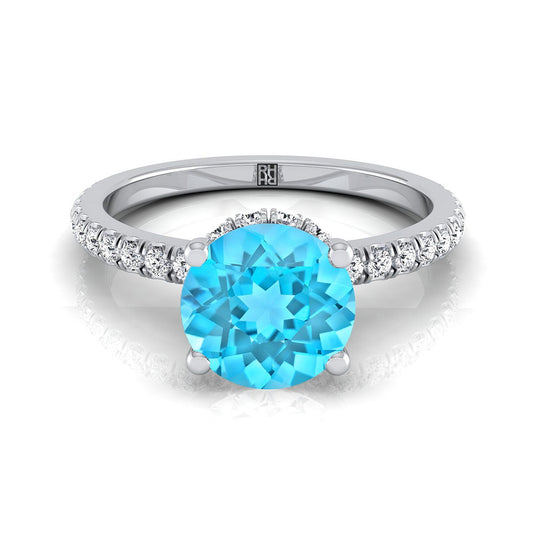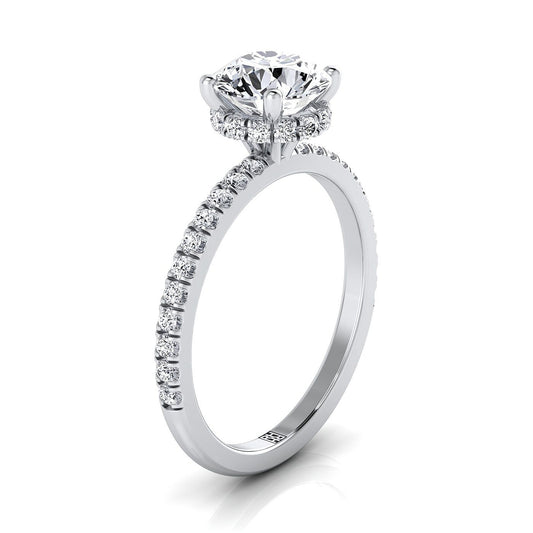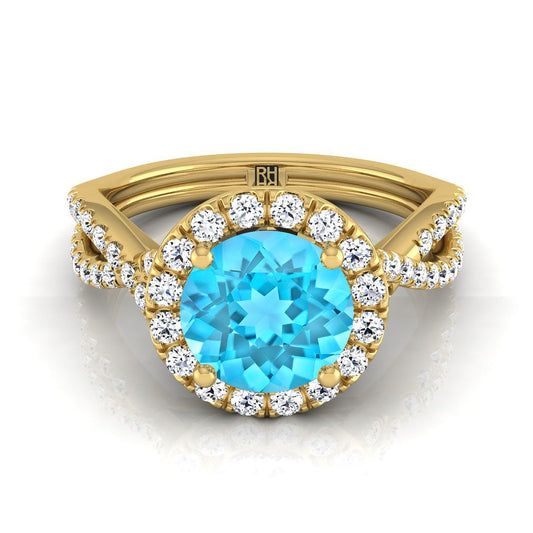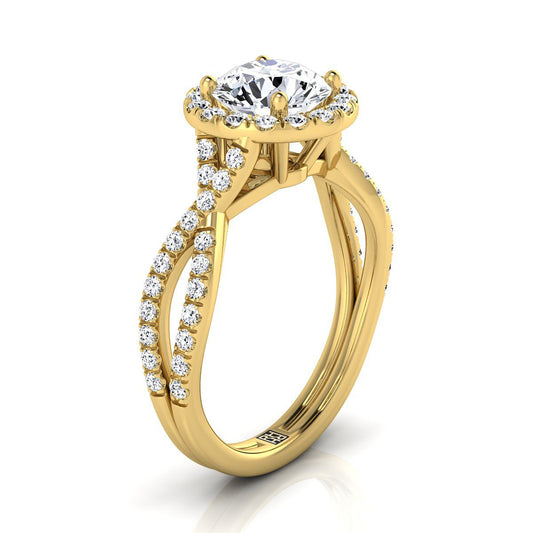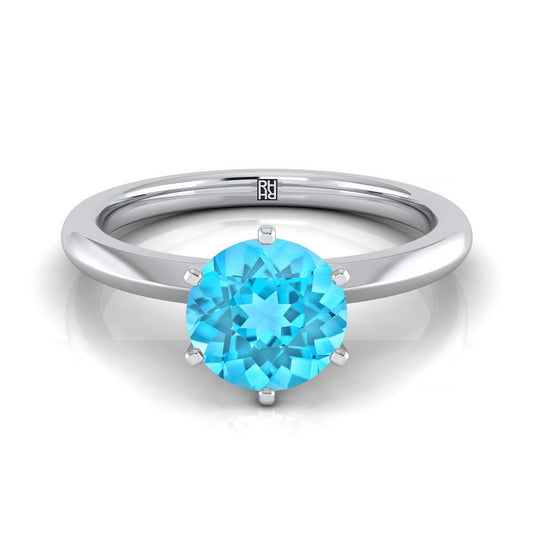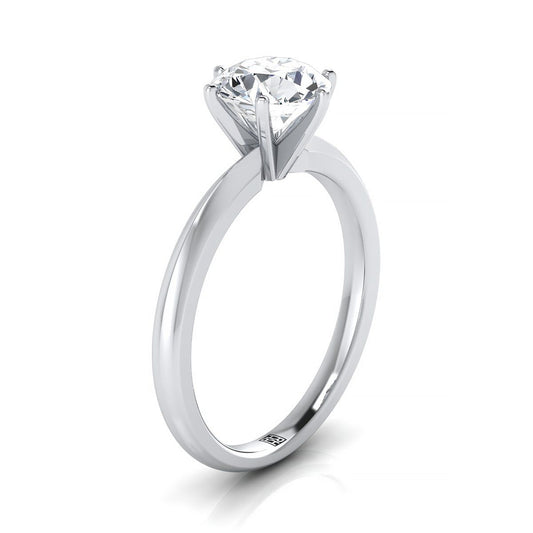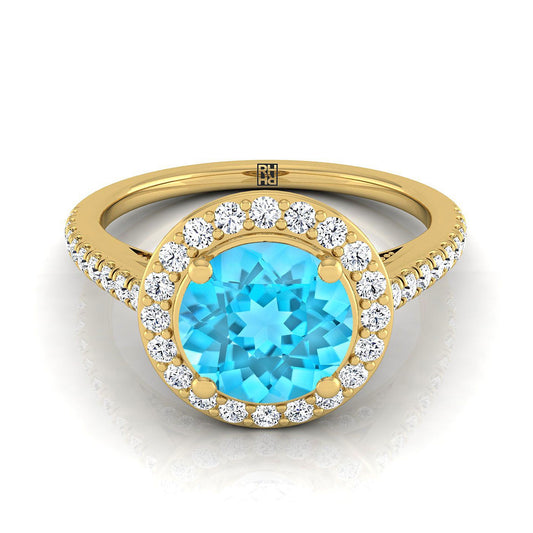
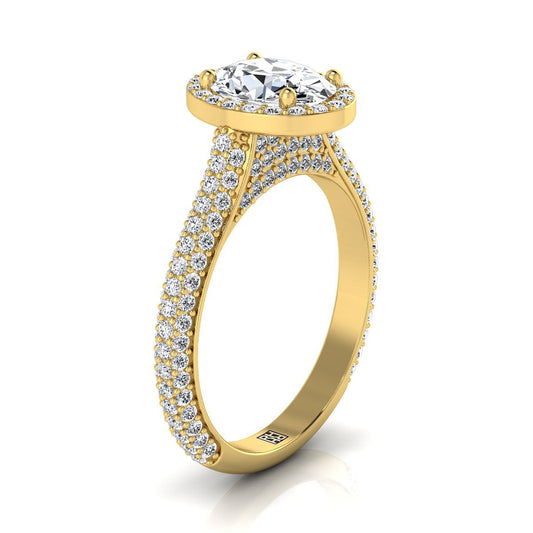
Collection: Blue Topaz Rings

The Spectrum of Blue: Defining Topaz

Blue Topaz is unique in that it offers distinct personalities depending on its shade, allowing for a highly personalized choice.

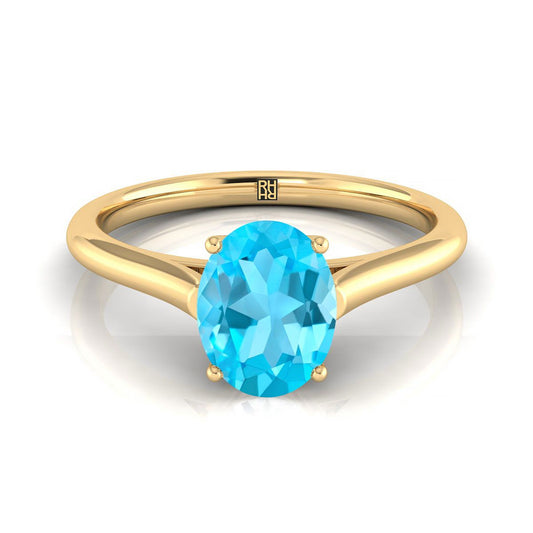
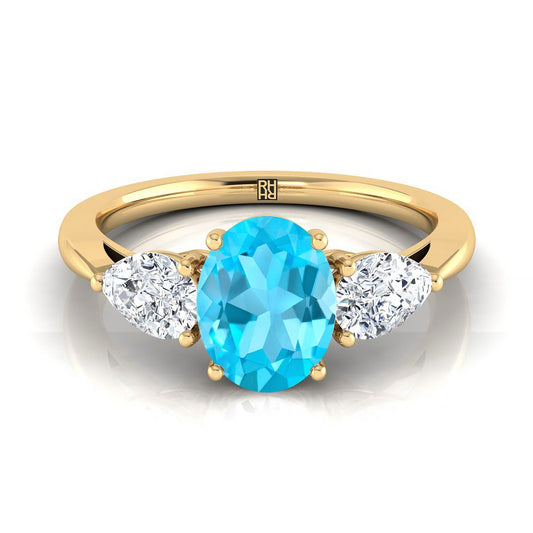
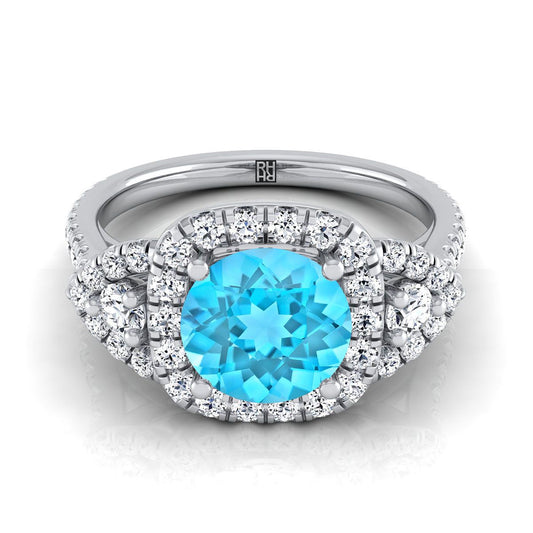
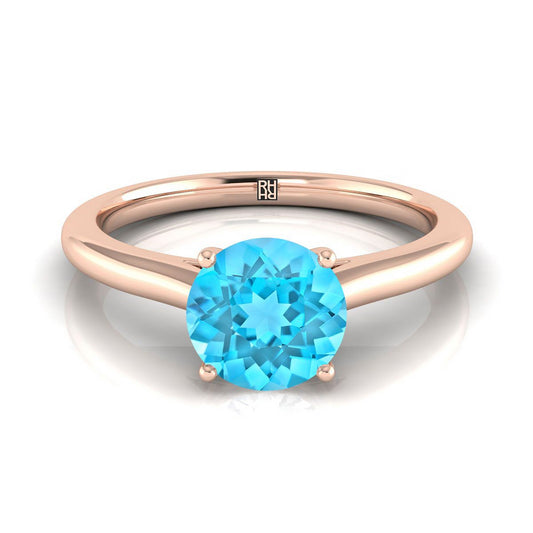
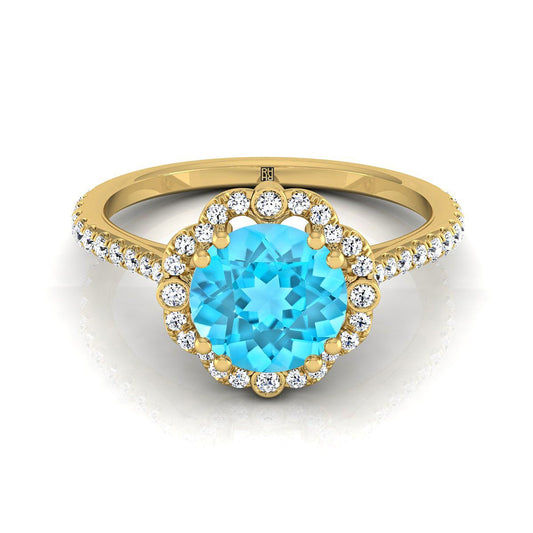
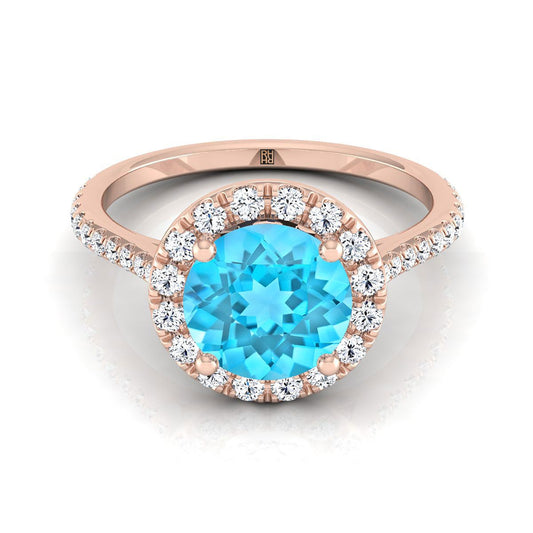
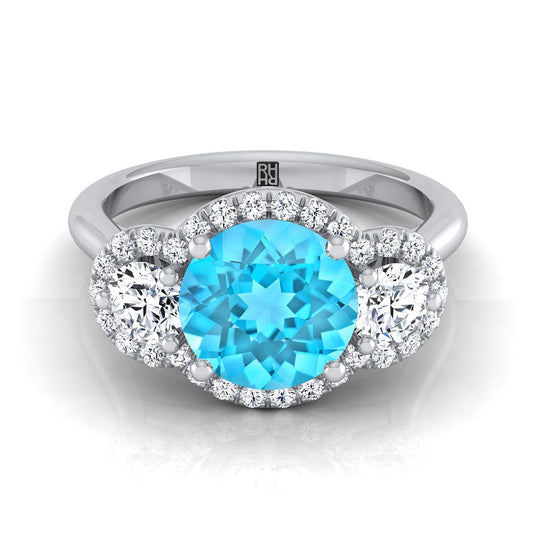
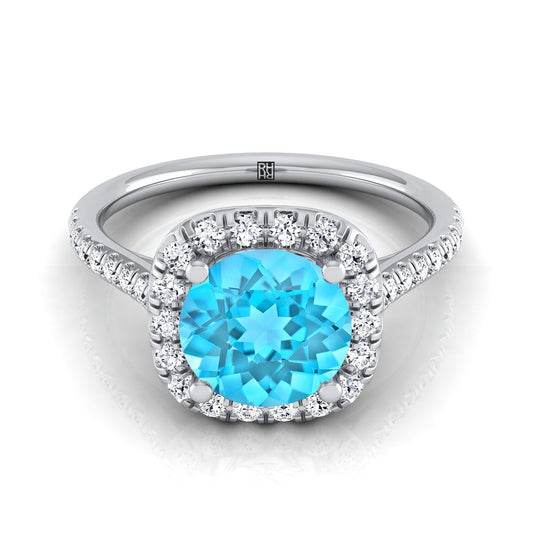
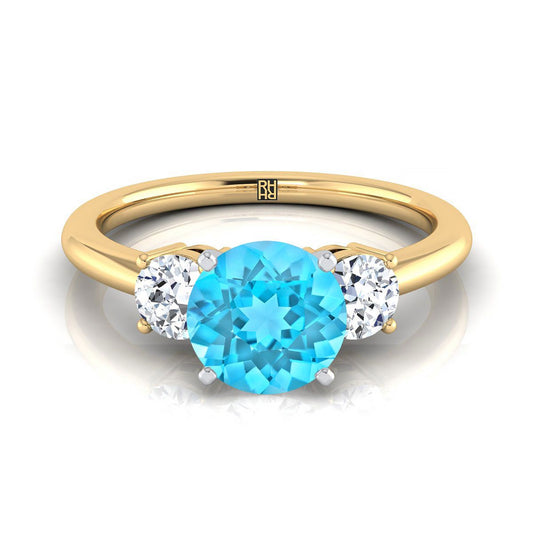
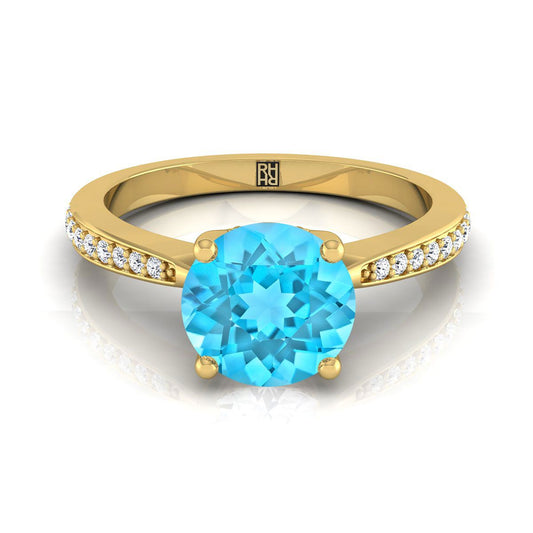
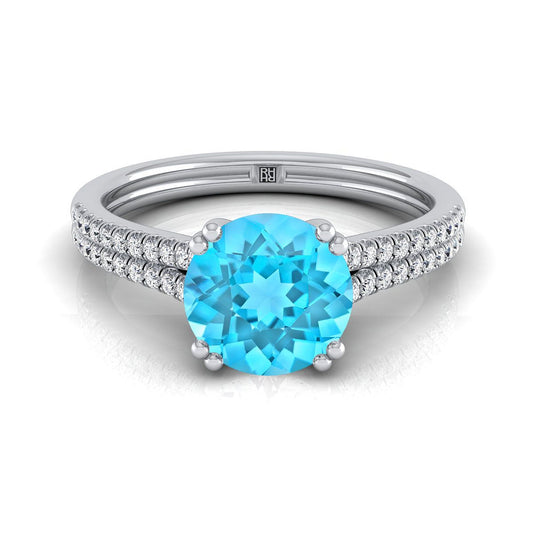
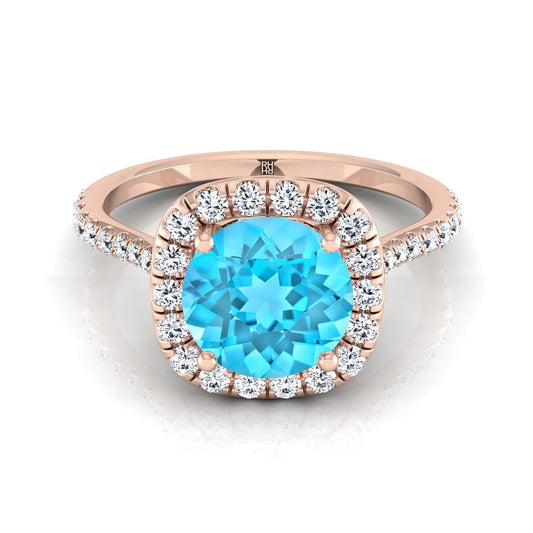
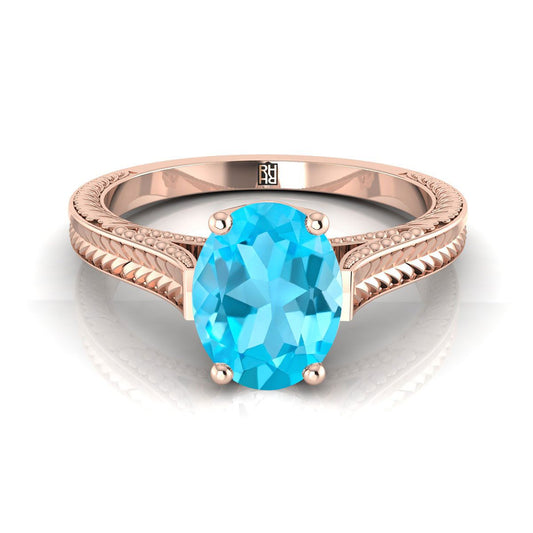
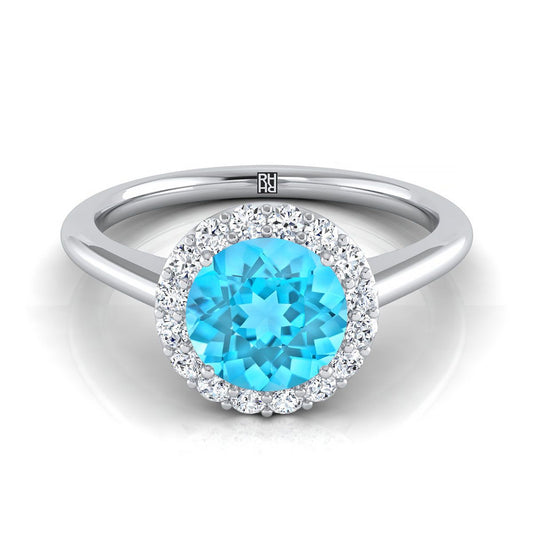
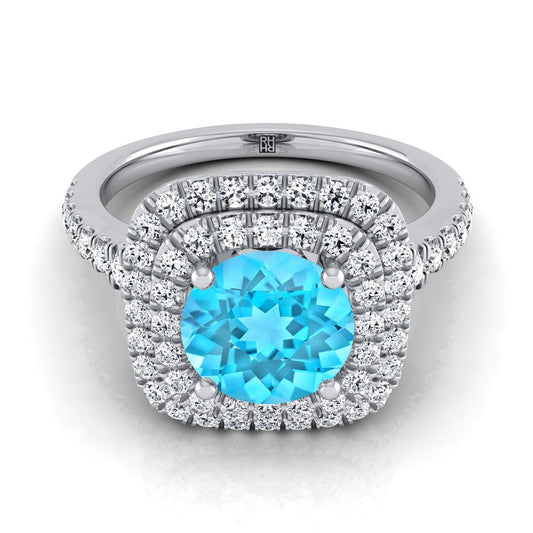
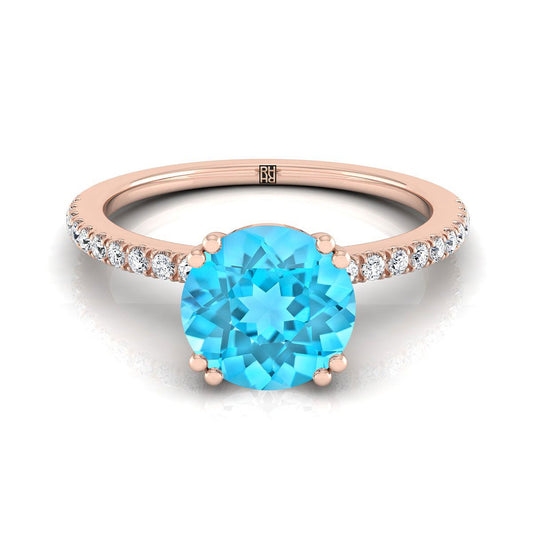
  • Swiss Blue: Bright, electric, and vividly saturated. This hue is reminiscent of the tropical waters of the Caribbean or the clear summer sky. It is perfect for those who want a ring that pops with energy and life.
  • London Blue: The darkest and most valuable shade of blue topaz. It possesses a steely, slate-blue tone often with slight green undertones. London Blue is sophisticated, moody, and pairs exceptionally well with diamonds for a dramatic evening look.
  • Sky Blue: A delicate, pale blue that resembles the clarity of a morning sky or an aquamarine. It offers a soft, subtle elegance ideal for understated daily wear.

Regardless of the shade, Topaz is known for being "eye-clean," meaning it is typically free of the internal inclusions found in emeralds or rubies. This flawless clarity allows for maximum light refraction, creating a dazzling sparkle that rivals far more expensive gemstones.


Curating Your Topaz Masterpiece

The durability and availability of large Blue Topaz crystals allow our artisans to explore creative freedom in design.

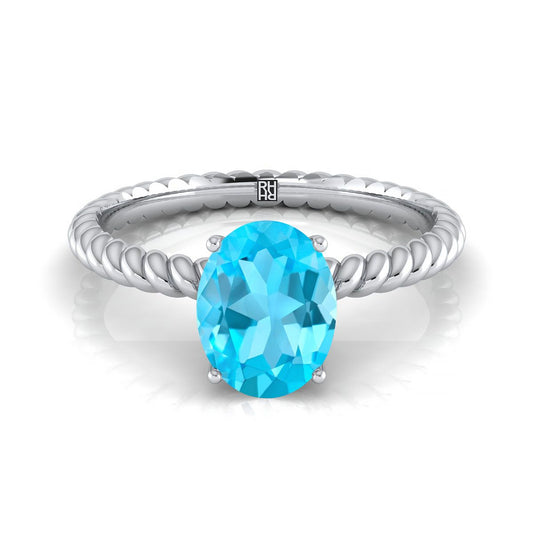
  • The Cool White Metals: Setting Blue Topaz in White Gold or Platinum is the most popular choice. The white metal acts as a mirror, enhancing the stone’s blue saturation and creating an "ice-on-ice" aesthetic that is crisp and modern.
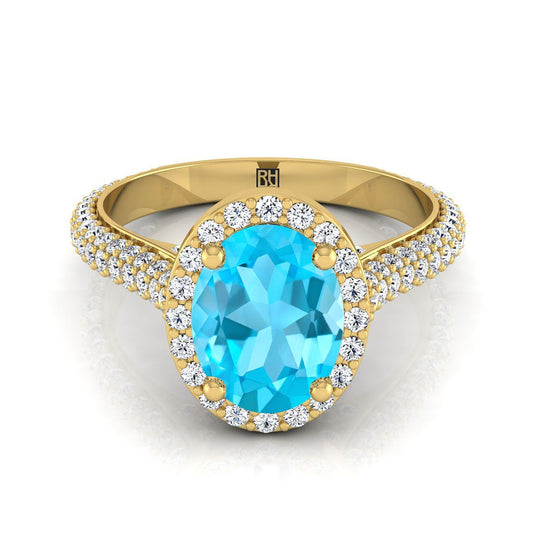
  • Warm Gold Contrast: For a unique twist, London Blue Topaz looks magnificent in Yellow or Rose Gold. The dark, teal-like blue contrasts beautifully with the warm metal, creating a rich, vintage-inspired look.
  • Architectural Cuts: Because Topaz is affordable in larger sizes, it is often cut into striking shapes like the Emerald cut, Asscher cut, or elongated Cushion cut. These step cuts emphasize the stone’s clarity and depth, turning the ring into a piece of wearable architecture.

Ethical Clarity & Bespoke Craftsmanship

At RockHer, transparency is not just a quality of our gemstones, but a principle of our business. We source our Blue Topaz from reputable mines that adhere to strict ethical and environmental standards. We ensure that every stone is treated with care from the earth to your finger.

This commitment extends to our manufacturing process in Los Angeles. We craft our rings using eco-conscious, refined precious metals—recycled gold and platinum. By choosing a RockHer Blue Topaz Ring, you are supporting a sustainable cycle of luxury that values the planet as much as the product. Our domestic production ensures that your ring is made with fair labor practices and unparalleled attention to detail.
Frequently Asked Questions About Blue Topaz Rings

Is Blue Topaz durable enough for daily wear?
Yes, Blue Topaz is a very durable gemstone. It ranks an 8 on the Mohs scale of mineral hardness, making it harder than quartz (amethyst, citrine) and resistant to scratching. While it is suitable for everyday wear, like all gemstones, it can chip if struck hard against a surface, so we recommend removing it during heavy manual activities.
What is the difference between London Blue and Swiss Blue?
The difference lies in the color saturation and tone. Swiss Blue is a bright, vivid, electric blue that is light and energetic. London Blue is a darker, deeper blue with a steely or slightly teal undertone. London Blue is generally considered more valuable due to its unique, complex color profile.
What is the meaning behind a Blue Topaz ring?
Blue Topaz is the birthstone for December and the gem for the 4th wedding anniversary. Historically, it was believed to cool hot tempers, cure insomnia, and promote clear communication. It is a stone of peacefulness, emotional clarity, and creative inspiration.
How do I clean my Blue Topaz ring?
Blue Topaz is easy to care for. You can clean it using warm water, a mild dish soap, and a soft toothbrush to remove any build-up behind the stone. Ultrasonic cleaners are generally safe for Topaz, but steam cleaning should be avoided as rapid temperature changes can pose a risk to the stone's structure.